Maximise Your Investment: Essential Maintenance Tips for Tree Surgery Tools
In the demanding world of arboriculture, your tools are more than just equipment – they're your livelihood. From powerful chainsaws to precise hedgecutters, durable batteries, and life-saving tree climbing gear, proper maintenance is paramount. Not only does it ensure safety for you and your team, but it also extends the lifespan of your valuable arborist tools, improves performance, and ultimately saves you money in the long run.
This guide provides a best-practice overview of maintaining your essential tree surgery equipment, helping you stay efficient and safe on every job. These are not official, cover-all-bases rules, more of a helpful resource for UK arborists and tree care professionals looking to keep their kit in top condition. Please refer to your specific manuals for detailed maintenance for each tool.
General Best Practices for All Your Arborist Kit
Regular care is the bedrock of tool longevity. After every use, take the time to clean your forestry tools. Remove sap, sawdust, dirt, and debris. A clean tool is easier to inspect and less likely to harbour rust or seize up. Store your tree care tools in a dry, secure place, away from extreme temperatures and humidity, to prevent corrosion and damage.
Always conduct a quick visual inspection before and after each use. Look for signs of wear, cracks, loose parts, or unusual damage. Addressing minor issues promptly can prevent major breakdowns and ensure equipment reliability. Keep a log of maintenance activities for each tool – this helps track service intervals and potential issues.
Chainsaw Care: Powering Through with Precision
Your chainsaw is likely one of your most heavily used tools, whether it’s a petrol chainsaw or a battery chainsaw. Proper chainsaw maintenance is critical for both safety and cutting efficiency.
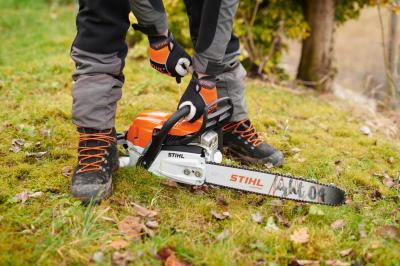
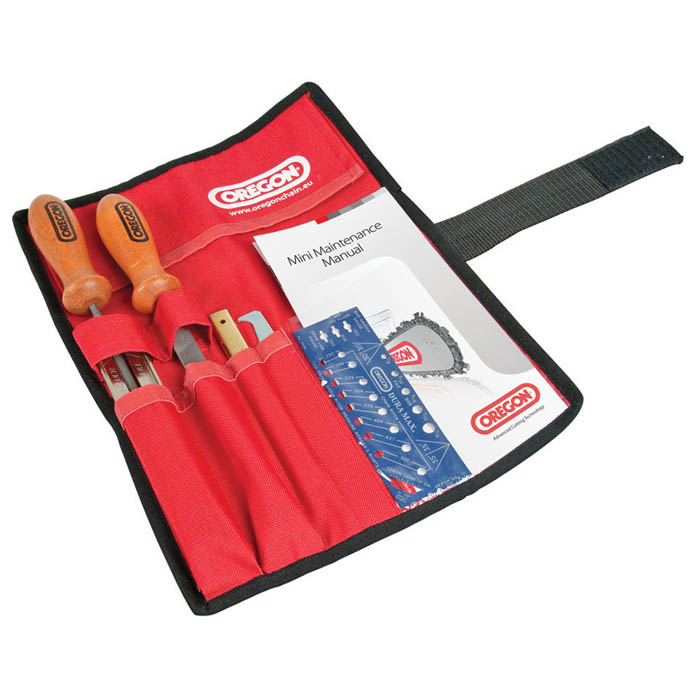
Chain Sharpening: A sharp chainsaw chain is vital. Dull chains lead to poor cuts, increased effort, and kickback risks. Learn to sharpen your chainsaw chain regularly using a file gauge and round file. Ensure depth gauges are also correctly filed. For a guide on how this is done, check out our breakdown HERE.
Guide Bar Care: Clean the guide bar groove daily to remove sawdust and debris. Flip the bar periodically to ensure even wear. Check for burrs on the rails and file them smooth to prevent the chain from binding. Lubricate the bar nose sprocket (if applicable).
Engine/Motor Maintenance: For petrol chainsaws, regularly check and clean the air filter to ensure proper air intake. Clean or replace the spark plug as needed. Check fuel lines and filters for clogs. For electric chainsaws and battery chainsaws, focus on keeping the motor housing clean and clear of debris to prevent overheating.
General Cleaning: After each use, clean the saw body, cooling fins, and sprocket cover. Ensure the chain brake is free from obstruction and operating correctly.
For a range of filing and maintenance equipment, check out our spares & accessories section HERE
Hedgecutter Maintenance: Sharp Blades, Clean Cuts
Hedgecutters require specific attention to their blades to maintain their cutting prowess and prevent damage to shrubs.
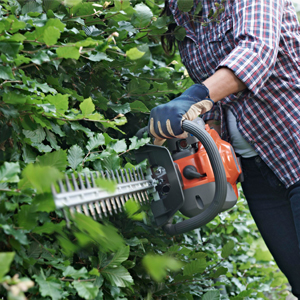
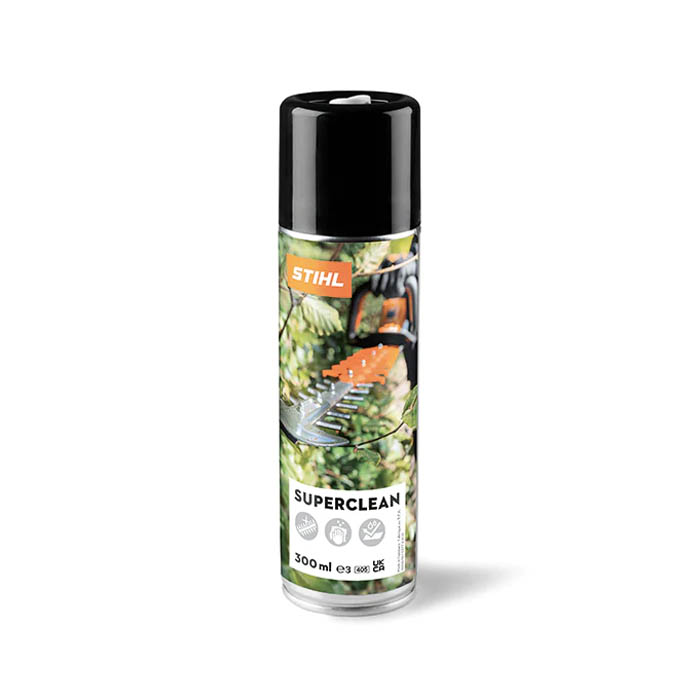
Blade Cleaning: After each use, remove sap, leaves, and debris from the hedge trimmer blades. Sap can cause blades to stick and rust. The STIHL Resin Spray is the ideal cleaner for blades, as it breaks down sap and lubricates in one go.
Sharpening Blades: Keep your hedgecutter blades sharp using a flat file or a sharpening stone. Sharp blades ensure clean cuts and reduce strain on the motor.
Lubrication: Regularly lubricate hedge trimmer blades with a suitable oil or spray to reduce friction and prevent rust. This also helps in smooth operation.
Operational Checks: Inspect the gearbox and ensure all screws and bolts are tight. Check for any unusual play in the blades.
Battery Health: Powering Your Cordless Tools
Cordless power tools rely heavily on well-maintained lithium-ion batteries. Extending battery life is key to productivity.
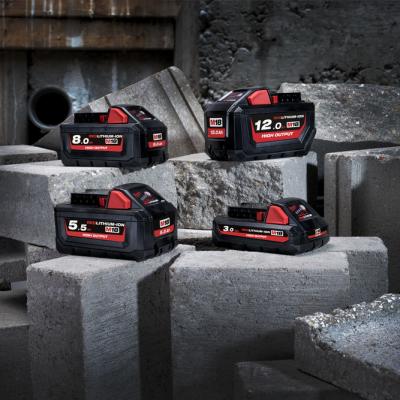
Optimal Charging: Follow manufacturer guidelines. Avoid overcharging or fully discharging li-ion batteries. Charge them in a well-ventilated area.
Proper Storage: Store batteries in a cool, dry place, ideally at a partial charge (around 30-50%) for long-term storage. Avoid extreme temperatures, as heat and cold can degrade battery performance.
Inspection: Regularly inspect battery packs for physical damage, swelling, or corrosion on terminals. Retire damaged batteries safely.
Tree Climbing Equipment: Your Lifeline's Longevity
Your tree climbing equipment is your safety net. Meticulous arborist climbing gear maintenance is non-negotiable.

Ropes: After use, visually inspect your arborist ropes for cuts, abrasion, flat spots, or excessive fuzziness. Clean ropes regularly with a mild soap and cold water, then air dry away from direct sunlight and heat. Store them coiled or flaked, away from chemicals and sharp objects.
Harnesses: Regularly inspect your climbing harness for cuts, abrasion, fraying, damaged stitching, or deformed buckles. Clean harnesses by hand washing with mild soap and water, then air dry thoroughly. Store them in a dry, cool place, ideally in a bag, away from UV light and chemicals.
Carabiners: Inspect climbing carabiners for cracks, burrs, excessive wear, or gate malfunctions. Keep them clean of dirt and debris. Lightly lubricate the gate hinge if it becomes stiff, ensuring no lubricant gets on ropes or webbing. Retire any carabiners showing signs of damage or unusual wear.
Helmets: Inspect your tree climbing helmet for cracks, dents, or signs of impact. Clean the shell and padding with mild soap and water. Store in a cool, dry place, away from direct sunlight, as UV radiation can degrade the plastic over time.
Common Issues & Troubleshooting
Many tree surgery tool problems stem from neglected maintenance. A chainsaw not cutting straight often points to a dull chain or unevenly filed depth gauges. A hedgecutter not performing efficiently typically means the blades need cleaning or sharpening. Batteries losing charge quickly may indicate improper storage or old age. Regular inspection and following these maintenance tips will help you identify and rectify issues before they escalate, ensuring your professional arborist tools are always ready for the task at hand.
Investing time in tool maintenance is an investment in your safety, efficiency, and the longevity of your valuable arboricultural equipment. Keep your kit clean, sharp, and well-maintained, and it will serve you well for years to come.