A Step-by-Step Guide to Sharpening Your Chainsaw
Why Is Sharpening your Chainsaw Important?
Maintaining a sharp chainsaw chain is essential for both efficiency and safety. A sharp chain ensures that the saw cuts through wood with minimal effort, reducing the risk of accidents caused by kickbacks or improper cutting angles. More efficient cutting means you spend less time on each task.
A blunt chain on your chainsaw can significantly increase fuel consumption due to the additional strain placed on the motor. When a chain is not sharp, the motor has to work harder, which in turn uses more fuel and leads to quicker wear and tear on the machine. By regularly sharpening your chainsaw chain, you can reduce these issues, saving both energy and money in the long run.
Tools You Will Need for Sharpening
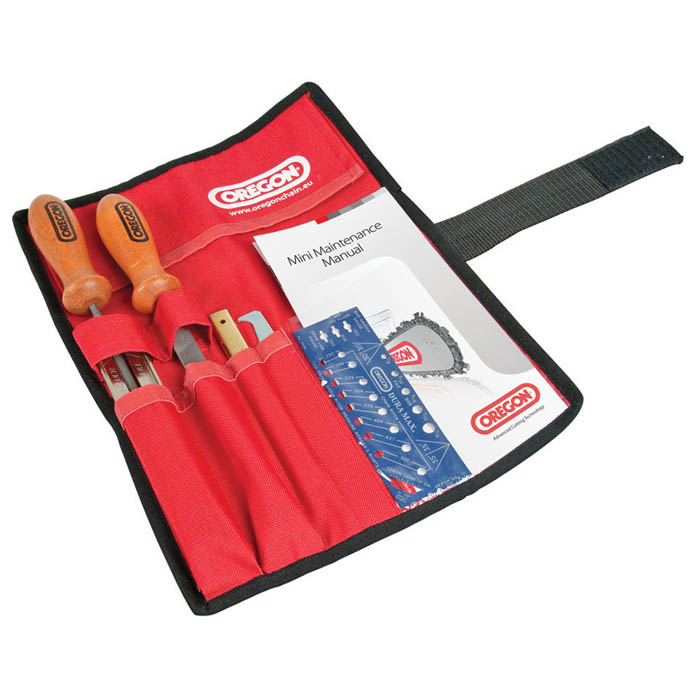
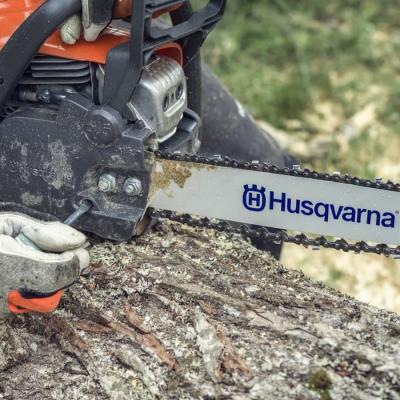
To effectively sharpen your chainsaw chain, you will need a few essential tools. These include a file guide and a round file, which are crucial for achieving the correct sharpening angle and ensuring precision. Optional tools such as a depth gauge and a flat file can further enhance the accuracy of your sharpening job, helping you maintain consistent performance across all your chainsaw cuts.
Before You Start
Before starting the sharpening process, it is vital to ensure that the chainsaw is switched off. This precaution can't be overstated, as it prevents accidental starts that could lead to serious injury. Additionally, make sure that the chain is securely fixed in place, either by using a vice or a chain-locking device, to prevent any movement during sharpening.
Wearing appropriate safety gear is also a must. This includes gloves to protect your hands from sharp components and safety goggles to shield your eyes from metal filings. By taking these safety measures, you can focus on the task at hand without unnecessary risk.
As part of the sharpening process, it is important to check the chainsaw chain for any damaged or worn components. Look for signs such as broken teeth, bent links, or any unusual wear patterns that could indicate more serious issues. Identifying these problems early allows you to address them before they lead to more significant damage or potential accidents.

Step-by-Step Guide to Sharpening Your Chainsaw Chain
- Secure your chainsaw in a vice or use a chain brake to hold the chain in place.
- Identify the leading cutter, which is the shortest cutter on the chain, to use as a reference point.
- Using a round file and file guide, file each cutter at a 30-degree angle, maintaining a consistent stroke count for each cutter.
- Sharpen every cutter on one side of the chain before moving to the other side for uniformity.
- Check the depth gauge settings after sharpening every few cutters and adjust as necessary using a depth gauge tool.
- Once all cutters are sharpened, apply a thin coat of chain oil to prevent rust and ensure smooth operation.
Common Mistakes to Avoid When Sharpening
- Over-sharpening your chainsaw chain can reduce the lifespan of the chain and lead to premature wear.
- Using incorrect angles or tools can result in uneven sharpening, affecting cutting performance. Always adhere to the manufacturer's guidelines for the correct filing angle and accompany your round file with a file guide for precision.
- Avoid uneven sharpening by maintaining a consistent stroke count and pressure across all cutters, ensuring each one is equally sharp.
Contact ForestAndArb for expert advice and guidance
ForestAndArb is committed to providing expert advice and guidance to all chainsaw users. With decades of experience, our team is ready to assist you in selecting and maintaining your chainsaw. Do not hesitate to contact us for further product details and professional support.
We also offer a guide to starting Petrol & Battery chainsaws, which you can find HERE
Related Product
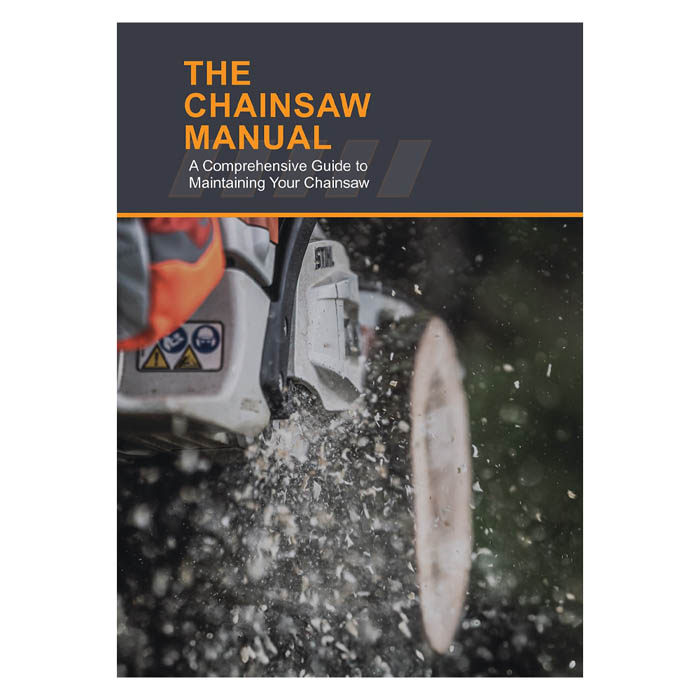
The Chainsaw Manual - The Ultimate Chainsaw Maintenance Manual
£24.99 (Inc VAT)
In Stock
Product Link